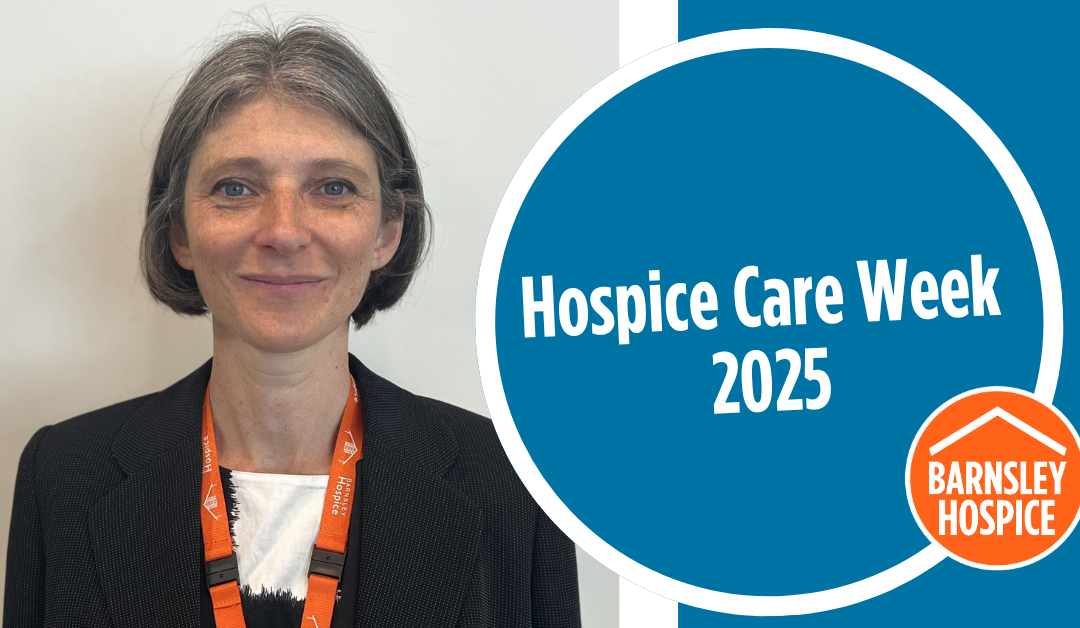
As part of Hospice Care Week, Dr Rachel Vedder, Consultant in Palliative Medicine at Barnsley Hospice, is sharing more about her role and the importance of having open conversations in palliative care.
“My name is Dr Rachel Vedder, and I am a Consultant in Palliative Medicine at Barnsley Hospice.
“I work with Specialist Palliative Care teams at Barnsley Hospice, in Barnsley Community and in Barnsley Hospital. Along with the other doctors at Barnsley Hospice, we provide the specialist medical input to these palliative care teams across the district.
“In my work, I support those with advanced, progressive, life-limiting illnesses to help with treating symptoms of illness, and to improve quality of life. Sometimes I meet people with advanced illness in appointments at home, at the hospice, or in the hospital; sometimes my input is through advising and supporting other clinical specialists on the teams, with whom I meet every week.
“In a conversation with someone who is ill, I provide opportunities to discuss the impact of their illness and treatment, to help them make sense of what is happening now, and talk about what may happen in the future. Ideally, these conversations also include their families and carers. I want to understand them, and what is most important to them and those closest to them. I can help them think about what their options and priorities are, such as where they are most comfortable, where they want to be looked after now, and at the end of their lives. This means being open and clear about what is known about their illness, and what is unknown or uncertain, and about what support is available and how it can help.
“I work closely with nurses and other professionals on our specialist palliative care teams. When we meet those with advanced illness, and their families, we have opportunities to support their decision making regarding where they are cared for. It is often the case that as someone approaches the end of their life, acute care in hospital no longer adds to their quality of life or comfort, and at this stage, some treatments become burdensome rather than helpful. This is not always the case, and sometimes hospital is the right place for a person to receive care at the very end of their life, but when it is not, our role is to support them at home, in their care home, or in the hospice – providing symptom management, support and comfort in their final months, weeks and days.”
Will you help us secure our future so that we can care for more patients and support our local NHS? Please write to your local MP and ask for fair funding for Barnsley Hospice by visiting the Hospice UK website here: https://action.hospiceuk.org/hospice-care-much-more-than-you-think
You can find other ways to support the hospice on our Fundraise & Donate page.
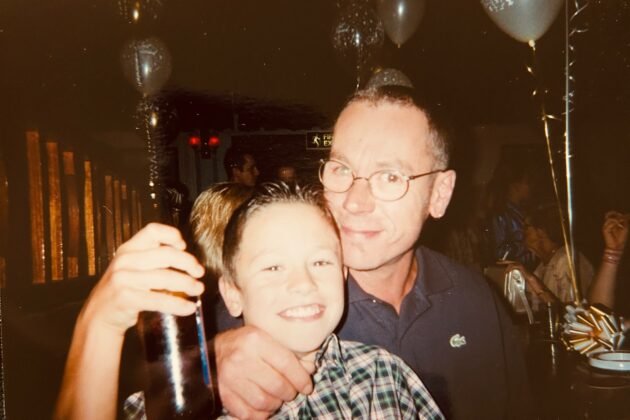
Tommy’s Story – Light up a Life
3 September 2026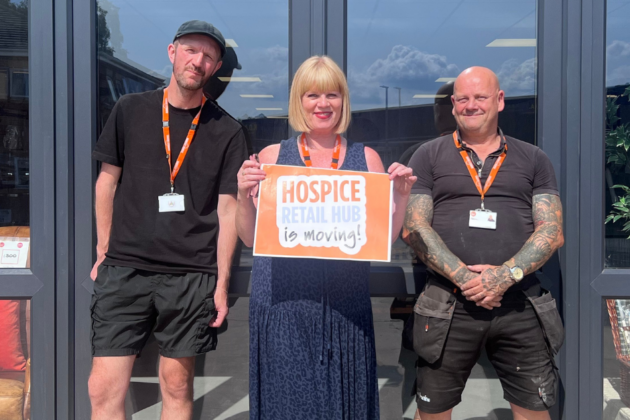
New home for the Barnsley Hospice Retail Hub
24 July 2026
Hospice raises almost £22K with Hike around Barnsley
25 June 2026
Barnsley Hospice launches farming fundraiser with Cannon Hall TV stars
16 June 2026